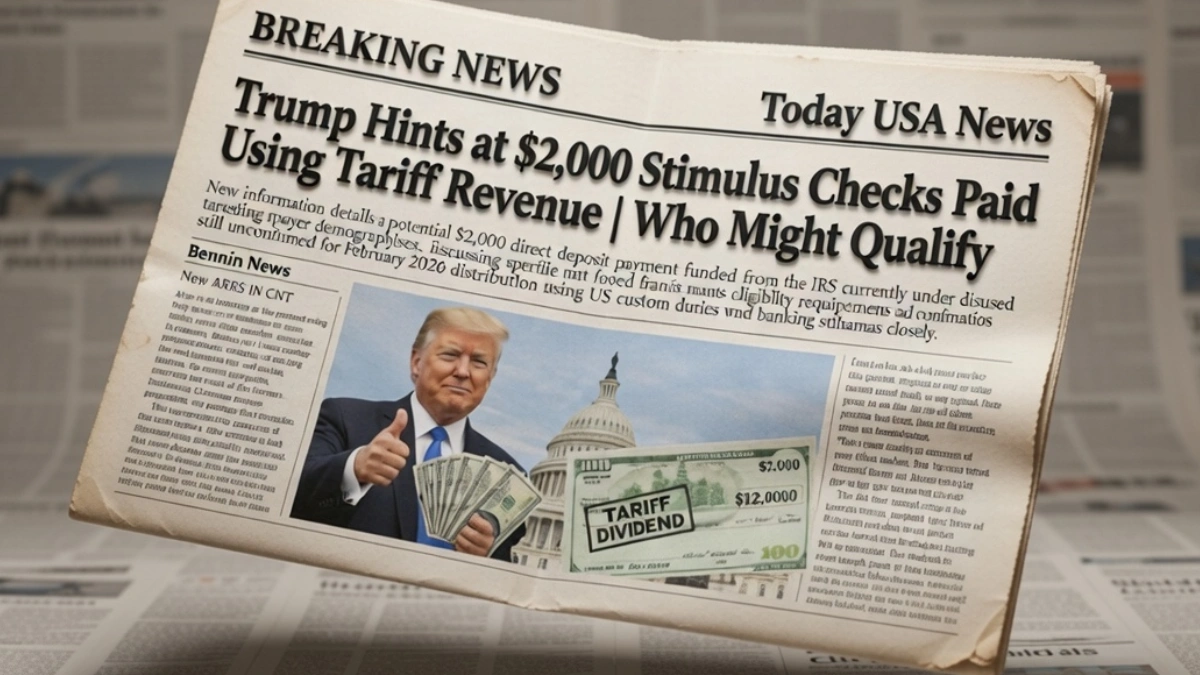
In 2026 discussions around federal economic support, the idea of $2,000 stimulus checks has gained attention in media and among taxpayers. While conversations focus on targeted relief, there’s a mix of fact and speculation. This article separates what is officially proposed or plausible from what is not currently backed by government announcements or legislative action.
What Is Being Discussed- Actual Proposals
Some policymakers and economic analysts have mentioned additional federal support measures in 2026, including one‑time payments or expanded credits for low‑ and moderate‑income families. These discussions often include direct payments tied to tax filings, cost‑of‑living adjustments, or special hardship support. Supporters argue such measures can stimulate consumer spending and ease household financial stress.
What Is Not Being Included- Common Misconceptions
Despite widespread speculation, no official legislation has been passed confirming automatic $2,000 stimulus checks for all taxpayers in 2026. Rumors about universal payments without conditions, retroactive deposits, or unlimited repeat payments are not part of any approved federal plan. It’s important to distinguish between proposed ideas and confirmed policy.
How Stimulus Discussions Could Affect Taxpayers
Even without an official stimulus program, related economic measures may impact refunds, credits, or income thresholds. For example, enhancements to refundable tax credits like the Earned Income Tax Credit (EITC) or adjustments to Social Security could indirectly provide financial benefit. Taxpayers should follow IRS and government updates to see how these discussions translate into action.
2026 Stimulus Talk Overview
| Topic | Current Status |
|---|---|
| $2,000 Direct Payments for All | Not officially approved |
| Expanded Tax Credits (EITC/Credit Updates) | Under discussion in policy forums |
| Targeted Hardship Support Payments | Considered by some policymakers |
| Automatic Universal Stimulus | Not proposed in confirmed legislation |
| One‑Time Relief Payments | Mentioned by some economic analysts |
This table contrasts key topics in 2026 federal support discussions, clarifying what is officially under review and what remains speculative.
What Policy Analysts Are Saying
Analysts emphasize that any federal stimulus payments in 2026 would require legislative approval by Congress and confirmation by the Treasury or IRS. Economic trends, inflation data, and federal budget constraints all influence the feasibility of large direct payments. Experts encourage realistic expectations and monitoring official announcements.
Conclusion
While the idea of $2,000 stimulus checks in 2026 captures public attention, it’s important to separate credible proposals from misinformation. No official universal stimulus has been confirmed, though targeted support or credit expansions remain part of ongoing policy discussions. Taxpayers should rely on official government sources for accurate information.
Disclaimer: This article is for informational purposes only. Federal payment proposals, legislation, and economic policies are subject to change. Always consult official government releases or certified financial advisers for current guidance.